


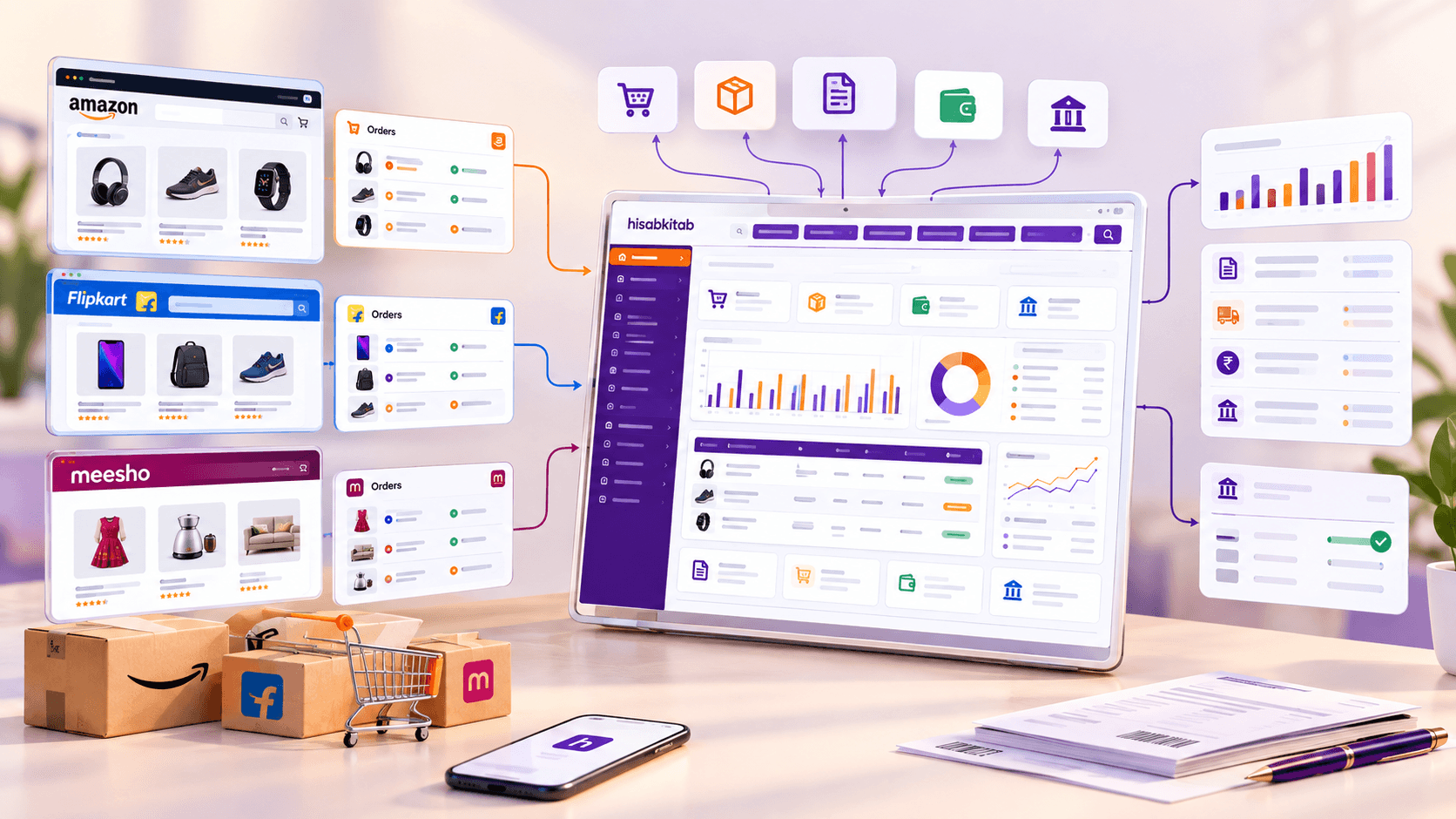

Top 10 Accounting Software for Startup Businesses
Starting a business is exciting but managing your finances shouldn’t slow you down. From tracking income and expenses to ensuring compliance with taxes, startups need accounting software that is simple, reliable, and scalable. The right tool helps you focus on growth instead of paperwork.
In this guide, we list the top 10 accounting software for startup businesses tools that are widely used, easy to adopt, and suited to different startup financial needs.
Why Startups Need Accounting Software Right From the Beginning
When your business is young, accounting might feel like a low priority compared to product development, hiring, and marketing. But ignoring finances can quickly lead to:
Missed tax deadlines
Unbalanced books and cashflow issues
Poor visibility into business performance
Difficulty securing funding or audits
Good accounting software lets you:
Automate bookkeeping
Track expenses and revenues
Stay compliant with GST/VAT
Prepare reports instantly
Focus on what matters most growing your startup
What to Look for in Startup Accounting Software
Before choosing accounting software, make sure it offers:
Easy Invoicing & Expense Tracking
Billing clients and tracking bills should be quick and intuitive.
GST/VAT Compliance
Relevant for Indian startups to stay tax-compliant.
Cloud Access
Access your accounts from anywhere essential for remote teams.
Real-Time Reports
Cashflow, profit & loss, and outstanding reports help make smart decisions.
Scalability
The tool should grow with your business.
Top 10 Accounting Software for Startup Businesses
1. hisabkitab - Best All-in-One for Startups
Why Use It: hisabkitab is designed for Indian startups that want accounting without complexity.
Advantages:
Cloud-based and easy to use
GST-ready invoicing and reporting
AI-assisted entry of bills and expenses
Real-time financial dashboards
Best for: Small to medium startups looking for simple, automated accounting.
2. QuickBooks Online - The Cloud Leader
Why Use It: Popular globally for its powerful reporting and automation.
Pros:
Bank reconciliation
Customizable reports
Automated workflows
Cons:
Can be pricey
GST setup needs manual configuration
Best for: Growing startups with financial teams.
3. Zoho Books - The Flexible Cloud Solution
Why Use It: Part of Zoho ecosystem great for startups using integrated business tools.
Pros:
Cloud-based
Automation for billing & reminders
Client portals
Cons:
Learning curve for beginners
Best for: Startups wanting integrations with CRM and project tools.
4. Xero - The Remote Team Favorite
Why Use It: Excellent for startups working with accountants and remote teams.
Pros:
Unlimited users
Real-time bank feeds
Collaborates with external accountants easily
Cons:
Slightly expensive
GST requires manual input
Best for: Startups with distributed teams.
5. FreshBooks - The Service-Focused Tool
Why Use It: Built for service startups and freelancers.
Pros:
Time tracking linked to invoices
Clean interface
Easy expense tracking
Cons:
Limited GST/VAT support
Best for service-oriented businesses
Best for: Agencies, freelancers, consultants.
6. TallyPrime - The Desktop Classic
Why Use It: A trusted choice among Indian accountants.
Pros:
Strong foundation in accounting
GST compliance
Handles ledgers and bills well
Cons:
Desktop-based (not cloud native)
Manual entry
Best for: Startups working with traditional accountants.
7. Wave Accounting - The Free Starter
Why Use It: Free core accounting features.
Pros:
No subscription cost
Simple bookkeeping
Basic invoicing
Cons:
Limited GST/VAT support
Not suitable for growth
Best for: Small startups with simple needs.
8. Sage Business Cloud - Simple & Clean Accounting
Why Use It: Provides easy cloud accounting with automation.
Pros:
Simple UI
Cloud access
Automated invoicing
Cons:
Limited third-party integrations
Not designed for complex workflows
Best for: Small startups focusing on basic accounting.
9. ERPNext - The All-In-One Startup Solution
Why Use It: Combines accounting with inventory, HR, and more.
Pros:
Integrated ERP
Project accounting
Highly customizable
Cons:
Steeper setup
Best suited for larger early-stage startups
Best for: Startups with multiple operational needs.
10. myBillBook - Quick Invoicing + Basic Accounting
Why Use It: A simple invoicing and accounting tool.
Pros:
Easy GST invoices
Mobile access
Expense tracking
Cons:
Limited reporting
Not full accounting
Best for: Early micro startups and solo founders.
Quick Comparison: Feature Breakdown
Software | GST/VAT Support | Cloud | Ease of Use | Best For |
|---|---|---|---|---|
hisabkitab | ✔ Yes | ✔ Yes | ⭐⭐⭐⭐ | India-focused startups |
QuickBooks Online | ⚠️ Manual | ✔ Yes | ⭐⭐⭐⭐ | Growing startups |
Zoho Books | ✔ Yes | ✔ Yes | ⭐⭐⭐ | Integrated business suite |
Xero | ⚠️ Manual | ✔ Yes | ⭐⭐⭐⭐ | Remote teams |
FreshBooks | ⚠️ Limited | ✔ Yes | ⭐⭐⭐⭐ | Service startups |
TallyPrime | ✔ Yes | ⚠️ Add-on | ⭐⭐⭐ | Traditional setups |
Wave | ⚠️ No | ✔ Yes | ⭐⭐⭐ | Freebase startups |
Sage | ✔ Yes | ✔ Yes | ⭐⭐⭐ | Small startups |
ERPNext | ✔ Yes | ✔ Yes | ⭐⭐ | Full ERP needs |
myBillBook | ✔ Yes | ✔ Yes | ⭐⭐⭐ | Simple invoicing |
How to Choose the Right Accounting Software for Your Startup
Here’s a practical checklist to help you decide:
Supports GST or VAT compliance
Offers cloud access and real-time updates
Easy to use without accounting jargon
Creates professional invoices quickly
Generates reports for cashflow, income, expenses
Scales as your startup grows
Conclusion
Choosing the right accounting software early helps your startup stay organised, compliant, and ready to scale. Whether you need simple invoicing, detailed compliance reports, or automation that reduces manual work, the options above cover a wide spectrum.
If you want an accounting platform that is easy to use, GST-ready, and built for Indian businesses, hisabkitab deserves a close look.
Ready to Simplify Your Startup Accounting?
Try hisabkitab today and start managing your finances with clarity from invoices to compliance without stress.
Continue Reading