
What is a GST return?
A GST return is a statement of your sales, purchases and tax that a registered business files on the GST portal. Most regular taxpayers file a few returns a month or quarter and one annual return.
The main returns
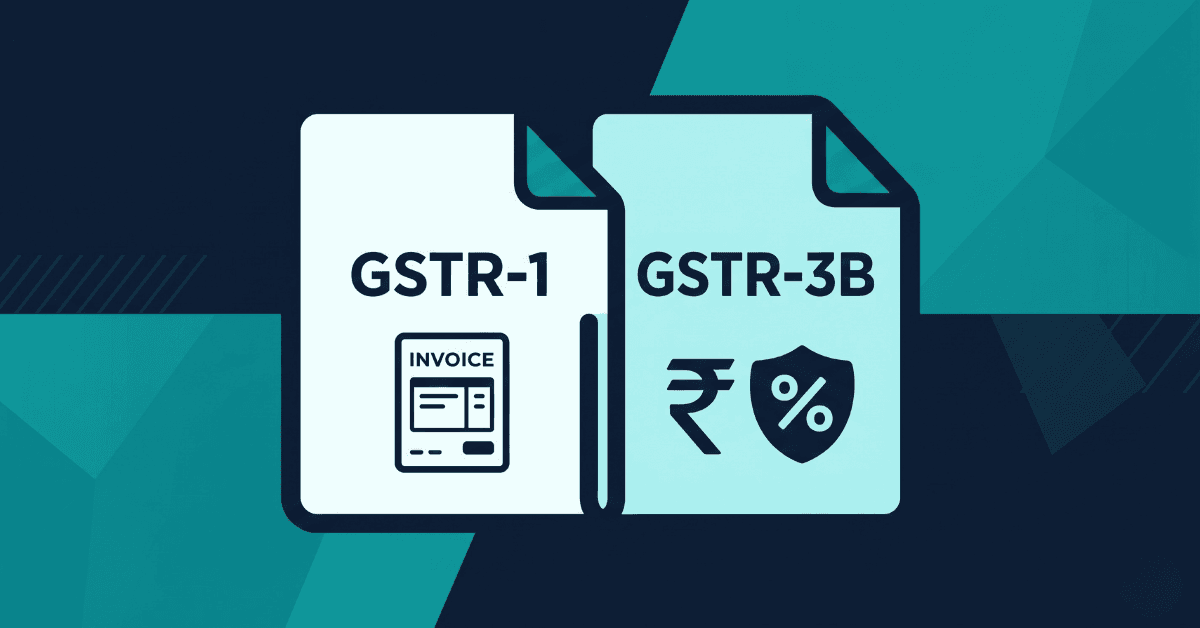
GSTR-1: details of outward supplies (sales), invoice by invoice
GSTR-3B: summary return where you claim ITC and pay tax
GSTR-2B: an auto-generated statement of the input tax credit available to you (you review it, you do not file it)
GSTR-4: return for composition taxpayers
GSTR-9: annual return, with a reconciliation statement for larger taxpayers
GSTR-7 and GSTR-8: for those who deduct TDS or collect TCS under GST
Which ones apply to you depends on your registration type and turnover. Due dates and thresholds are set by notification, so check the GST portal or ask your CA for the current position.
A monthly routine that works
Record every sale and purchase as it happens, with correct GSTIN, HSN and rate.
Generate e-invoices and e-way bills where they apply.
Match purchases with GSTR-2B before the month closes.
Prepare and file GSTR-1, then GSTR-3B, and pay the tax.
Keep the filed acknowledgements and a reconciliation sheet for the annual return.
Penalties to avoid
Late filing attracts a late fee per day and interest on unpaid tax. Wrong ITC claims can be reversed with interest. Regular monthly reconciliation is cheaper than year-end corrections.
With hisabkitab, the data for each return comes from your entries, and reconciliation with GSTR-2B is built in. See how it works in GST accounting software.