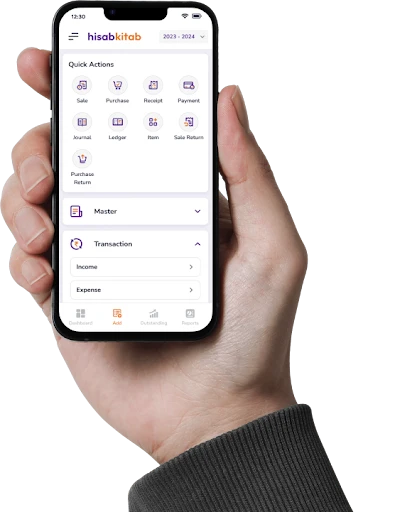
3 Simple Steps
How It Works
Versatile Accounting and Billing Software for Every Sector
What is ledger scrutiny?
Ledger scrutiny is the review a chartered accountant carries out on a client’s ledgers before finalising accounts, a tax audit or a statutory audit. It checks that entries are complete, correctly classified, supported by documents and compliant with GST and income tax rules. hisabkitab helps CAs do this faster by automatically flagging duplicate invoices, round-figure entries, edits made after the year is closed and changes to supplier bank details, for every client on one dashboard.
Ledger scrutiny checklist for CAs
Use this checklist as a starting point for each client and adapt it to the nature of the business.
Cash and bank
Check the cash book and bank ledgers for:
Cash payments above ₹10,000 to one person in a day, which can be disallowed under Section 40A(3)
Negative cash balance on any date
Unreconciled bank entries and old uncleared cheques
Loans or deposits taken or repaid in cash of ₹20,000 or more, which breach Sections 269SS and 269T
Expenses
Review expense ledgers for:
TDS deducted and deposited where required, since 30% of the expense can be disallowed under Section 40(a)(ia)
Capital items booked as revenue expenses
Personal or non-business expenses
Input tax credit claimed on blocked items under Section 17(5) of the CGST Act
Sales and purchases
Compare sales and purchase ledgers with GST data:
Duplicate invoices or bills from the same party
Sales matching GSTR-1 and purchases matching GSTR-2B
Credit notes and returns recorded in the correct period
Transactions with related parties
Debtors, creditors and loans
Look at party balances for:
Old balances with no movement during the year
Balance confirmations for large debtors and creditors
Dues to MSME suppliers paid late, which can be disallowed under Section 43B(h)
Interest on loans and the TDS on that interest
Suspense entries and unexplained round-figure entries
How hisabkitab speeds up ledger scrutiny
hisabkitab takes the repetitive checks off your team’s plate:
Automatic flags for duplicate invoices, suspicious round-figure entries, edits after the books are closed and changes to supplier bank details
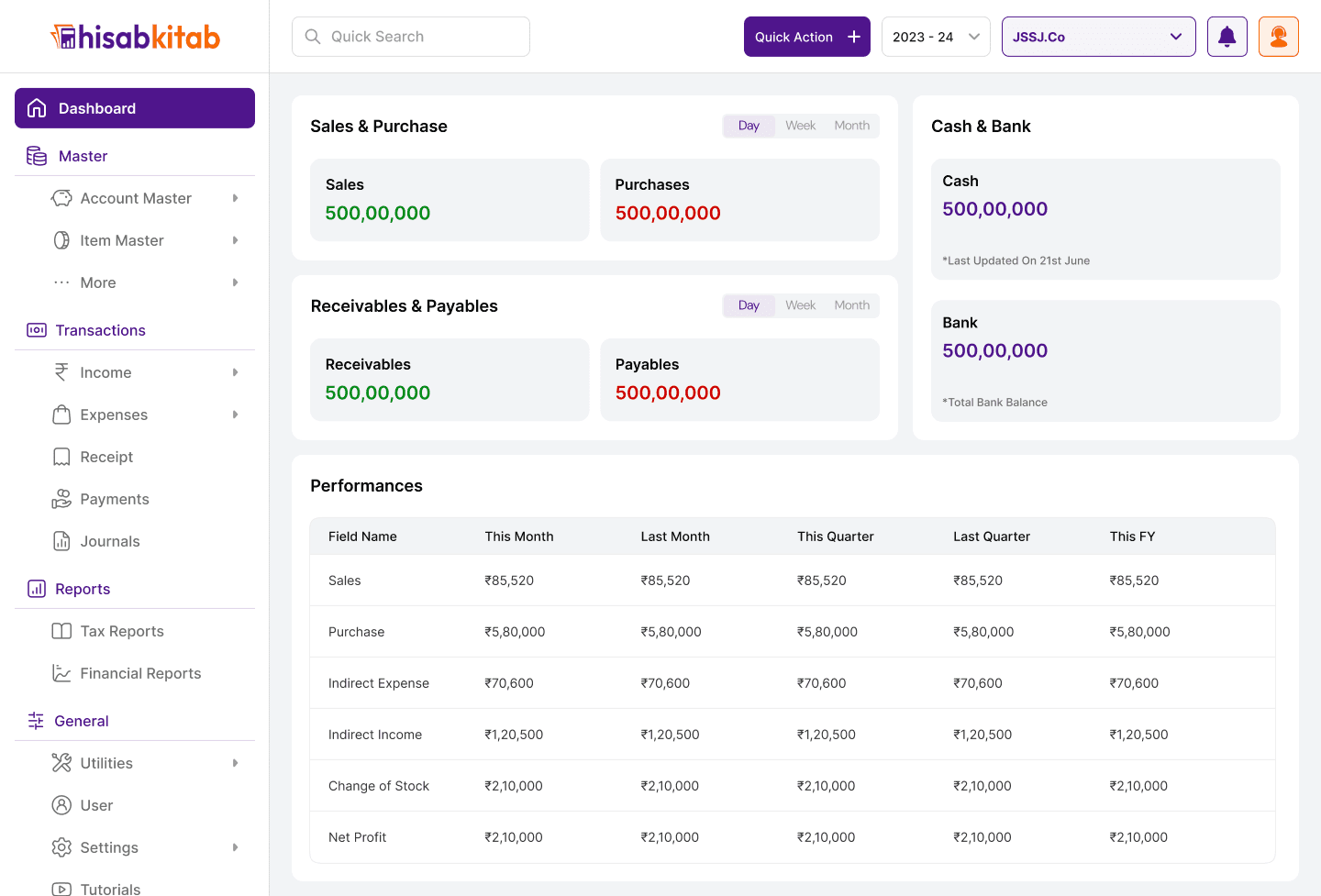
One dashboard for all clients, including clients still on Tally through the Tally connector
Freeze transactions after review, so nothing changes after you sign off
An audit trail that records every change, who made it and when
GSTR-2B reconciliation and AI bank statement import for every client
Manual scrutiny vs scrutiny in hisabkitab
Check
Done by hand
With hisabkitab
Duplicate bills
Sort and scan every ledger
Flagged automatically
Round-figure and unusual entries
Filter and review manually
Highlighted for review
Edits after year close
Compare old and new backup files
Audit trail shows who changed what and when
Clients on Tally
Collect backup files from each client
Synced through the Tally connector
Locking reviewed periods
Rely on the client not to edit
Freeze transactions
Is an audit trail mandatory?
Yes, for companies. From 1 April 2023, the Companies (Accounts) Rules require every company to use accounting software that records an audit trail of each change, which cannot be disabled. hisabkitab’s audit trail logs every edit with the user and time, which helps CAs report on audit trail compliance and gives clients a clean record.
FAQs
What does hisabkitab check during ledger scrutiny?
Does it work for clients who still use Tally?
Can I manage all my clients in one place?
Does hisabkitab keep an audit trail?
What else does the CA Module include?
How much does the CA Module cost?
What is ledger scrutiny in audit?
What should a ledger scrutiny checklist cover?
Is an audit trail mandatory for companies?
Can I scrutinise client books without visiting their office?