Debtor Days & Creditor Days Calculator
Find how many days customers take to pay you, how many days you take to pay suppliers, and the gap between the two.
How Long Does Your
Money Take?
Receivables (debtors)
Payables (creditors)


Versatile Accounting and Billing Software for Every Sector
What are debtor days?
Debtor days, or days sales outstanding (DSO), is the average number of days your customers take to pay. Creditor days, or days payable outstanding (DPO), is the average time you take to pay suppliers.
Formulas
Average receivables = (opening + closing trade receivables) ÷ 2
Debtor days = average receivables ÷ credit sales × days in the period
Creditor days = average payables ÷ credit purchases × days in the period
Receivables turnover = credit sales ÷ average receivables
Why the gap matters
If customers take 45 days to pay and you pay suppliers in 30, you are funding your customers for 15 days out of your own working capital or your bank limit. Bringing debtor days down is often the cheapest source of cash a business has.
The MSME payment rule
If you buy from a micro or small enterprise registered on Udyam, the MSMED Act requires payment within the agreed credit period, which cannot exceed 45 days, or within 15 days if nothing is agreed. Late payments also attract interest and can be disallowed as an expense for income tax until paid. See the MSME 45-day payment calculator.
How hisabkitab helps
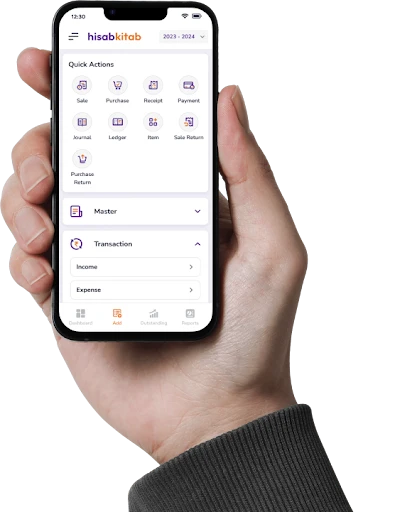
hisabkitab shows receivable and payable ageing, sends automatic WhatsApp payment reminders and puts a UPI QR code on every invoice so customers can pay faster.
FAQs
What is a good debtor days figure?
Should I include cash sales?
Should the amounts include GST?
How do I reduce debtor days?
What does a negative gap mean?
Is this calculator free?
Find the right HSN or SAC code and GST rate
Browse all 1,289 HSN and SAC headings by chapter, check the GST rate, and bill with the correct code.